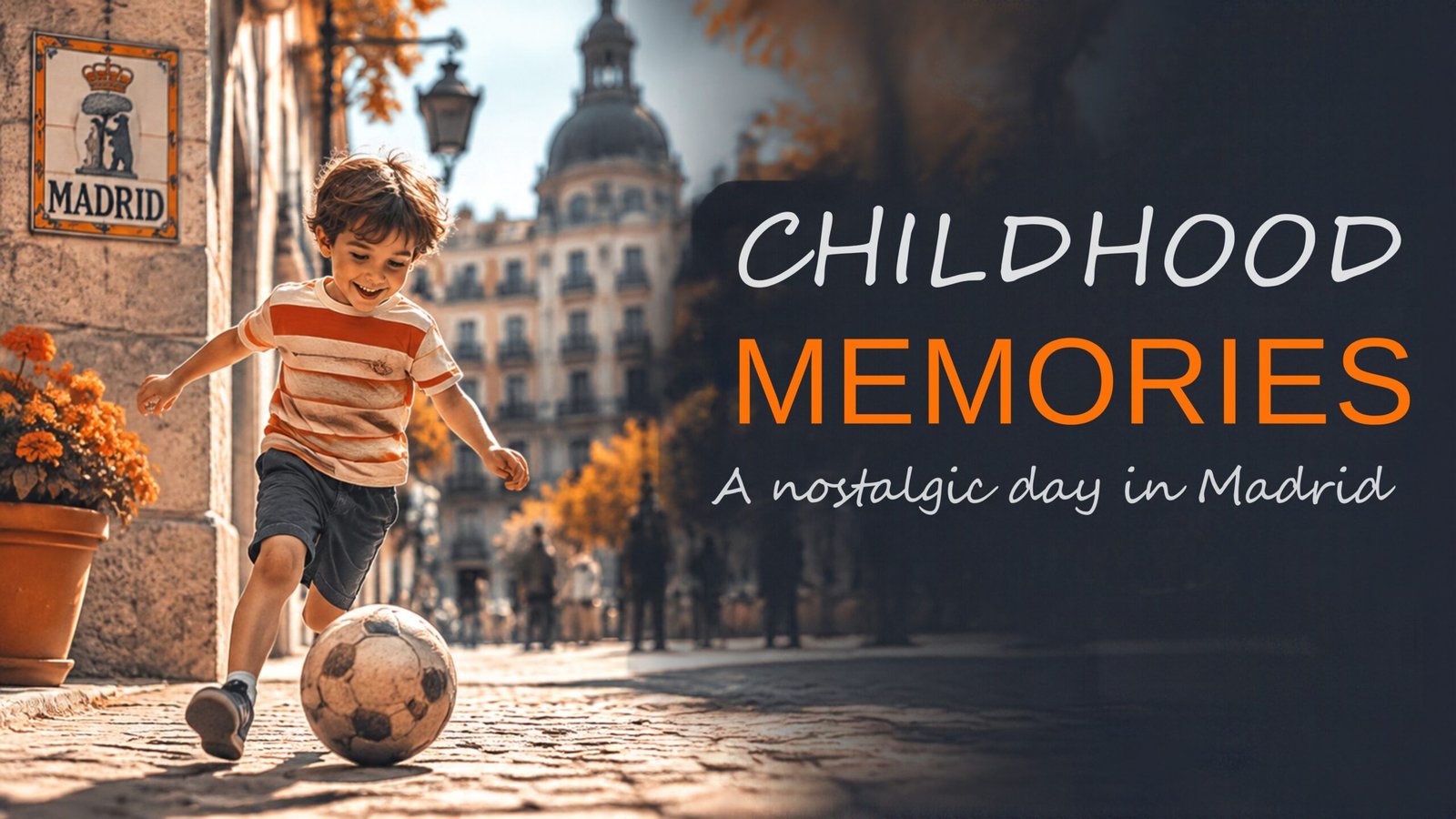
Sharing your childhood memories and talking about recurring past routines is one of the most rewarding ways to connect naturally with native speakers. Whether you are reminiscing about growing up in Madrid, recalling family trips to Bogotá, or describing old habits in Mexico City, mastering the past tense is essential. In this comprehensive guide, we will explore how to use the Pretérito Imperfecto to unlock childhood memories and old habits in Spanish with absolute fluency.
Why Childhood Memories Matter in Spanish Language Learning
When learning a new language, students often focus strictly on immediate survival phrases or basic present-tense habits. However, deep cultural connections happen when we share personal stories, family traditions, and nostalgic moments from our past. Talking about your early years allows you to express emotions, personality traits, and long-term routines that shaped who you are today.
To narrate these experiences successfully, you must rely heavily on the Pretérito Imperfecto (imperfect past tense). Unlike the Pretérito Indefinido—which handles quick, completed actions—the imperfect tense acts as the background canvas of your story, perfect for describing recurring habits, descriptions, and ongoing states of being.
Key Vocabulary and Expressions for Nostalgia and Past Routines
To talk about your childhood fluently, you need specific time triggers and frequency adverbs that signal recurring past actions. Here are the most common expressions used by native speakers:
- De niño / De pequeño: As a child (e.g., De niño, vivía en una casa grande en Madrid)
- Siempre: Always (e.g., Siempre jugíamos en la plaza del barrio)
- Todos los días: Every day (e.g., Todos los días comíamos pan dulce por la tarde)
- Los fines de semana: On weekends (e.g., Los fines de semana visitábamos a mis abuelos en Bogotá)
- Antiguamente: Formerly / In the old days (e.g., Antiguamente, las calles de Caracas eran más tranquilas)
- A menudo: Often (e.g., A menudo íbamos al parque de diversiones)
- Todas las tardes: Every afternoon (e.g., Todas las tardes leía cuentos de aventuras)
- Con frecuencia: Frequently (e.g., Con frecuencia escuchábamos música en la radio vieja)
Conjugating Regular Verbs for Childhood Memories
Expressing old habits is wonderfully straightforward because regular verbs in the imperfect tense follow only two main ending sets. Let’s look at how everyday childhood verbs function in real-world contexts across Spanish-speaking regions:
| Pronoun | -AR Endings (e.g., Jugar / Trabajar) | -ER / -IR Endings (e.g., Leer / Vivir) |
|---|---|---|
| Yo | -aba (Yo jugaba en el parque de Bogotá) | -ía (Yo leía libros de aventuras) |
| Tú | -abas (Tú jugabas con tus amigos en Lima) | -ías (Tú vivías cerca de la playa) |
| Él / Ella | -aba (Ella cantaba en el coro escolar) | -ía (Ella escribía cartas a mano) |
| Nosotros/as | -ábamos (Nosotros viajábamos en verano a Madrid) | -íamos (Nosotros compartíamos los juguetes) |
| Ellos / Ustedes | -aban (Ellos patinaban en la calle) | -ían (Ustedes corrían por el jardín) |
Mastering the Three Irregular Verbs in Storytelling
Unlike other tenses with dozens of confusing rules, the Pretérito Imperfecto has only three irregular verbs: ser, ir, and ver. These are absolute structural staples when describing your childhood memories:
- Ser (To be – used for past physical traits, personality, or age):
This verb describes permanent background characteristics or how old someone was in the past.
Example: Cuando era niño, era muy tímido y alto, y tenía diez años. (When I was a child, I was very shy and tall, and I was ten years old.) - Ir (To go – used for recurring movement or regular destinations):
This verb expresses habitual travel or trips that repeated over time without a singular endpoint.
Example: Todos los veranos íbamos a la costa en México a visitar a la familia. (Every summer we used to go to the coast in Mexico to visit family.) - Ver (To see – used for continuous observation or habitual sights):
This verb portrays regular visual experiences from your daily past routine.
Example: Por las noches, desde mi ventana veía las estrellas brillantes sobre los Andes. (At night, from my window I used to see the bright stars over the Andes.)
Real-World Video Guide: Nostalgia and Childhood Memories in Spanish
Listening to native speakers share personal anecdotes about their upbringing is one of the most effective ways to internalize the rhythm of the imperfect tense. Watch the video below to hear authentic examples of storytelling filled with childhood nostalgia:

Interactive Practice Exercise: Test Your Childhood Past Tense Skills
Put your knowledge of past habits, recurring routines, and childhood memories to the test with our interactive exercises designed to build conversational confidence and grammatical accuracy.
Golden Rules to Perfect Your Past Storytelling
Keep these core principles in mind when writing or speaking about your past habits:
- Translate “Used to”: If you can replace the verb in English with “used to [verb]” or “was/were [verb]-ing”, use the imperfect tense.
- Combine with Indefinido: For rich storytelling, use the imperfect for the general setting and the indefinido for sudden interruptions (e.g., Jugábamos afuera cuando empezó a llover).
- Focus on Atmosphere: Don’t rush; paint a vivid mental picture of how things looked, felt, and sounded in your past.
Explore More Spanish Guides
Continue expanding your fluency with these related articles from our library: